


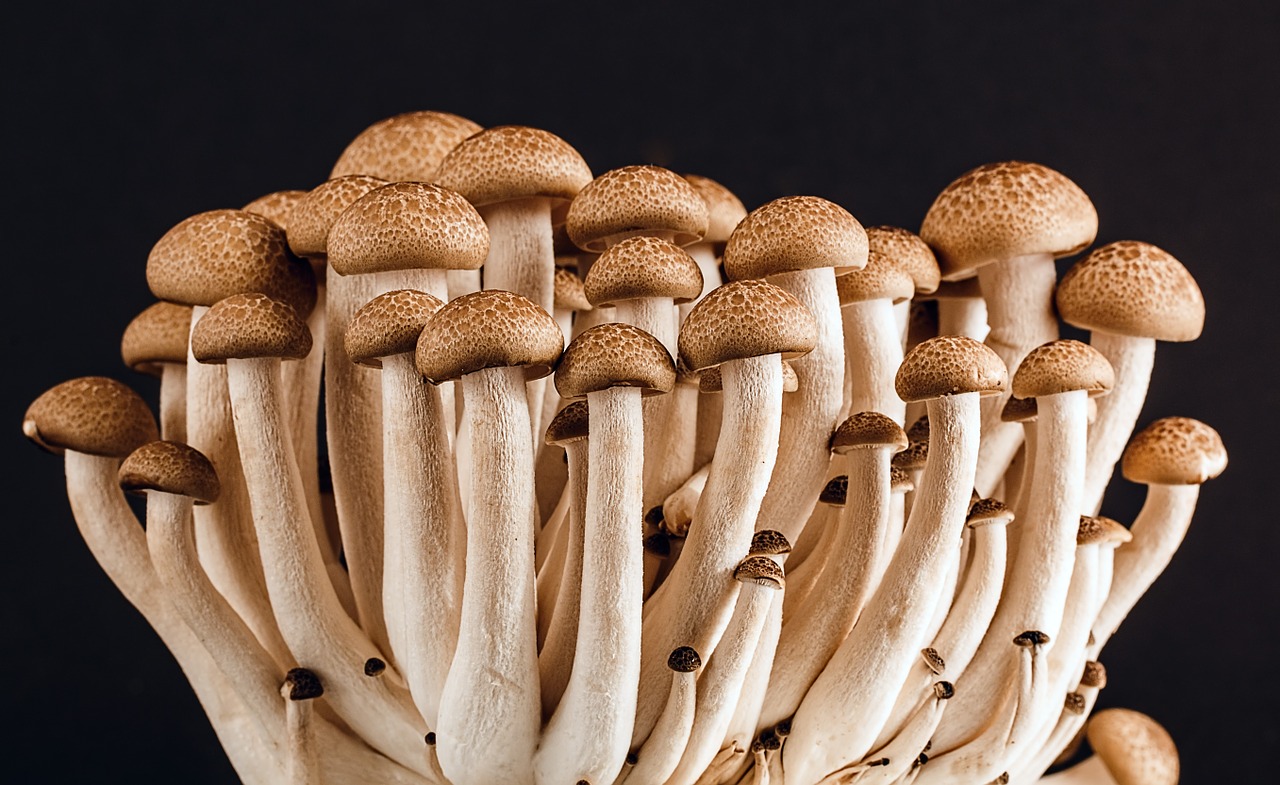
Now is International Psilocybin Mushroom Day, a day of action and education celebrated across the globe for its fourth successive year. 9/20 has not obtained the cultural cache of 4/20, the global day of observing cannabis. Nevertheless, it is not for lack of trying on the part of psilocybin urges such as Nicholas Reville and his all-volunteer 920 Coalition. Under the motto”Mushrooms are Medicine,” Reville and 920 have brought together over two dozen associations to sponsor psychedelic-centric occasions in significant cities in Europe into the U.S. and Latin America. Unlike a lot of cannabis occasions, nevertheless, 920 Coalition occasions are about search and drug coverage as well as their pro-shroom asserts are bolstered by studies such as the one conducted by Johns Hopkins researchers to using psilocybin to deal with smoking addiction. In honour of 920, here is a short on a few of the very landmark, recent research on magic mushrooms.
All had tried to stop smoking multiple times and failed.
But after carefully controlled and monitored psilocybin use, coupled with cognitive-behavioural therapy (CBT), 12 of the 15 participants successfully quit smoking entirely after six months. Researchers said the abstinence rate is much higher than typical smoking cessation trials using CBT methods alone.
How Do Magic Mushrooms Help End Addiction?
The Johns Hopkins study builds off research conducted more than a half-century ago,
in the 50s and 60s, into the use of psilocybin and LCD to treat addiction. But as those substances leaked from labs into the counter-culture, they became harshly criminalised, and research into their use as medicine was put into what Johnson calls a”deep freeze.”
Now, Johnson and his team are working to revive it. They call it psychedelic therapy. The participants receive high-dose psilocybin capsules. So unlike typical CBT, participants don’t receive encouragement to talk about their smoking habits. Instead, researchers encourage participants to go inward, especially as the drug begins to take effect.
That inward introspection, researchers say, leads to profound and mystical experiences that prompt people to reevaluate why they smoke. According to the study’s authors, participants” reported getting brilliant insights to self-identity and motives for smoking in their psilocybin sessions.”
Furthermore, those involved said those insights lasted after the effects of the drug wore off. For some, insights gained during the treatments even created positive outcomes in other aspects of life, from an appreciation for the arts, altruism and other pro-social behaviours.
And this isn’t some New Age mysticism either. Studies show that people who survive heart attacks, another profound experience, find unprecedented success quitting smoking. Johnson says tripping on magic mushrooms in a safe, controlled environment creates its own intense experience. And this leads to a cognitive realignment that makes it easier for people to abandon their addiction to smoking.
Is Legalizing Medical Psilocybin Next?
Johnson and his team at Johns Hopkins aren’t the only researchers working on hallucinogenic treatments for addiction and other health problems. Researchers at NYU are investigating how psilocybin can treat anxiety in cancer patients, for example. These compounds have incredible therapeutic potential that has yet to be thoroughly investigated.
And putting things like that, psilocybin begins to sound very much like cannabis did just a few decades ago, and even today. Medical and therapeutic potential, non-addictive recreational use without dangerous physical side-effects; the similarities are undeniable. But there’s no doubt that in terms of”branding” and mainstream consciousness, magical mushrooms are nowhere at precisely the same league as cannabis now is.
As more studies reveal the potential effectiveness of psychedelics,
but the story could soon start to change. Can magical mushrooms walk the identical path toward legalisation and broader approval as cannabis? Time will tell. Until then, Happy Magic Mushroom Day!
You might want to read A systematic review of the Electronic nicotine delivery system use, awareness, beliefs and reactions:

