


We sought to examine the literature on Electronic nicotine delivery system (ENDS, also known as digital smokes) consciousness, usage, beliefs and reactions.
Research collection for Electronic nicotine delivery system
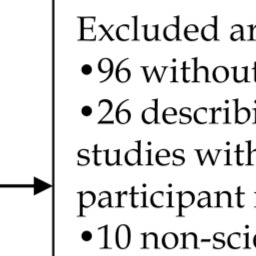
Of the 244 abstracts recognized, we excluded articles not printed in English, posts unrelated to ENDS, dissertation abstracts and posts without first information on prespecified results.
Two reviewers hailed each post for ENDS consciousness, use, beliefs and reactions.
ENDS awareness rose from 16 percent to 58 percent from 2009 to 2011, and utilize increased from 1% to 6 percent. Nearly all users were present or previous smokers. Many users discovered ENDS satisfying, and a few participated in double use of Ethe NDS along with other tobacco. No longitudinal studies analyzed whether ENDS function as ‘gateways’ to potential tobacco usage. Frequent reasons for utilizing ENDS were quitting smoking and with something which is healthier than cigarettes. Self-reported survey statistics and potential trials imply that ENDS may help cigarette smokers stop, but no randomised controlled trials with probability trials compared ENDS along with other breeding tools. Some people used ENDS to steer clear of smoking restrictions.
ENDS usage is expanding quickly despite experts’ worries about security, double use and potential ‘gateway’ effects. More study is required on successful public health messages, perceived health risks, validity of self-reports of smoking cessation and using various sorts of ENDS.
Electronic nicotine delivery methods (ENDS), also known as e-cigarettes or digital smokes, are battery-operated apparatus which comprise an inhalation-activated mechanism which heats a capsule, making vapour the consumer, sometimes known as a ‘vaper’, inhales. Notably, ENDS don’t rely on gas, meaning consumers don’t expose themselves or others to a number of the damaging tobacco smoke components and allergens made by routine cigarettes. 1 ENDS are contentious: security advice is sparse and inconsistent,two,3 regulation is in flux,4 and general public attention is growing rapidly5 regardless of the shortage of research demonstrating ENDS’ long-term health effects or cessation possessions for smokers. Additionally, public health advocates are worried that ENDS could work as a gateway to smoking6 or stop smokers from stopping by keeping their smoking addiction or preventing them from using present, powerful cessation tools. 7 The ENDS literature is growing quickly, but thus far no systematic review has summarised the findings over inhabitants or recognized gaps in the study. It’s crucial to comprehend patterns of ENDS usage across time and populations, and what responses and beliefs drive either prevention or use of ENDS. This review attempts to boost our comprehension of who’s employed ENDS, the way they feel about using them and also exactly what both consumers and non-users consider this controversial item.
Security of ENDS
With any tobacco or nicotine merchandise, health and security are main public health issues. But, evidence concerning the protection of ENDS, especially linked to this ‘e-liquid’ from the capsules, is blended. The US Food and Drug Administration (FDA) assessed the contents of ENDS capsulestwo and found four important tobacco-specific nitrosamines, a household of carcinogenic compounds, however they reported just these substances were discovered, not if the numbers detected reached harmful amounts. 8 A report on the ramifications of 40 distinct samples of refill fluids on nasal fibroblasts which version adult lung cells3 found enormous variability from cytotoxicity even one of human samples in precisely the exact same brand as well as flavour.
Experts disagree about the possible harms of propylene glycol, a compound that acts as a humectant in e-liquid. 9,10 whilst theater fog is related to diminished lung function,11 no studies have analyzed the long-term consequences of inhaled propylene glycol in people. 7 Ingestion of exposure to liquid smoking from ENDS capsules may also be dangerous. A number of the cartridges as well as the bundles of e-liquid aren’t childproof,12 and kids may be attracted to the candy- and – fruit-flavoured e-liquids. 13 If ingested by a child, large doses of smoke can be deadly. 13
Another concern is the absence of quality management criteria. Numerous studies have found nicotine in capsules labelled nicotine-free. Two,14,15 Some cartridges leak, are ambiguously labelled, or change in material despite the fact that they are labeled as being the exact same flavour and brand.
In sum, scientific consensus has yet to emerge concerning the level of hazard posed by ENDS. Making capsules and e-liquids childproof and high quality quality management criteria would help prevent some security issues. Whether significant vulnerability, in other words, continuing use of ENDS, has detrimental long-term effects remains an open question.
Legislation of ENDS
Approaches to law vary widely. By way of instance, Brazil prohibits the selling, import and advertisements of ENDS, while Finland treats ENDS as medicinal products and prohibits just advertisements. 16 in the united states, the FDA is expected to propose deeming regulations in autumn 2013. 4 In the meantime, some regional authorities in the united states have taken actions to prohibit sales to minors or confine ENDS usage. 17 Given that ENDS vary widely, which range from disposable versions that may cost a few dollars but possess limited flavour and nicotine alternatives to ‘private vapourisers’ that may cost a few hundred bucks but have hundreds of alternatives for tastes and a broader assortment of nicotine advantages, it’ll be important for policymakers to issue regulations which cover these various versions.
Public curiosity about ENDS
The people has shown enormous curiosity about ENDS, along with the popular media has covered ENDS. 18,19 Stars have employed them in films and on tv. 5 ENDS are broadly marketed on the internet, encouraged on YouTube videos and promoted on Twitter.
1 consequence of elevated levels of public attention is that ENDS have rapidly become a significant company. 23–25 The present ENDS business size is estimated to be 500 million in yearly earnings and growing rapidly (anticipated to achieve $1 billion from the end of 2013). 27 R.J. Reynolds has also introduced their particular ENDS lineup, and Altria (proprietor of Phillip Morris USA) intends to establish MarkTen ENDS in test markets at summertime 2013. 25
In sum, ENDS are popular, but their security record isn’t yet recognized and regulation remains in flux. There’s a need to know what the general public knows and thinks about ENDS, and who utilizes ENDS and the reason why. Health behavior theories and the empirical literature reveal that attitudes and beliefs induce risky behavior, such as health-protective behaviors such as hepatitis28,29 and cancer screening30,31 and risk-taking behaviors like tanning32 and unprotected sex,33 in order that they might also be significant motivators of ENDS usage. This review doesn’t address product safety or biological dimensions of ENDS because we think a different, indepth review will better handle these essential questions. Therefore, the objective of the evaluation is to synthesise research on the usage of and beliefs about ENDS so as to identify gaps in the literature, inspire future study questions and comprehend the consequences of the findings to public health efforts.
Visit:
METHODS
Article hunts
We picked this set of search phrases as no relevant medical subject heading (MeSH term) existed in the time of this review.
Research collection
Thirteen of those non-English posts had English-language abstracts; 2 of these seemed to be applicable to this inspection. The extra eight posts without English language abstracts seemed unlikely to include pertinent information based on translations of the names or visual review of this content (eg, they comprised no amounts). We also excluded articles which weren’t pertinent to ENDS, normally since the research query identified posts with the term ‘i.e. smokes’ (k=24). At another step, the initial writer reviewed the remaining abstracts and, when needed, complete posts, and conferred with the next writer where eligibility was uncertain. We excluded articles which didn’t contain original information about ENDS, like commentaries, literature reviews and data about regulation (k=96); experiments or lab studies with no descriptions of ‘organic’ patterns of usage (ie, use not educated by the researcher) or abstract reports from participants on relevant dependent variables (k=26); not peer-reviewed, for example business reports (k=10); or didn’t contain proper dependent variables (ie, they reported information about search engines5,35 or pharmacies; k=3). 36 We depended upon the enlarged Campbell approach to evaluate research quality, focusing on variables that keep on internal validity (research design) and external validity (sampling). 37 We didn’t utilize a quality grading system which yields one score (eg, the Jadad scale)38 due to the exceptional breadth of structure and dependent variables over the research and because single-score approaches unite different and important problems.
The first writer coded the remaining content (k=47) with a standardised data abstraction form. The next writer or among two extra coders reviewed every guide, conferring with the first writer in the event of disagreements. Coders recorded ENDS consciousness, natural patterns of usage (ie, utilize out of a laboratory setting, such as double use of ENDS along with other tobacco products), subjective reactions to utilize (by consumers just), and beliefs or motives for use (by users or non-users). We specify ‘dual use’ as utilization of both ENDS along with other tobacco products before 30 days. For the previous two results, coders also documented if the measure evaluated: the perceived price of ENDS, including the comparative price of ENDS and routine smokes (price); the chance that ENDS would function as a gateway to additional tobacco usage (gateway); health, safety and side effects, including the comparative security of ENDS and routine cigarettes (wellness); stopping or reducing smoking or tobacco usage due to ENDS (stop); using ENDS to prevent restrictions on smoking (limit); the amount of satisfaction with ENDS’ flavor, odor and caliber (gratification); the point to which ENDS have exactly the exact same taste, odor or sense of usage as ordinary cigarettes (comparable); and also changes in withdrawal symptoms, want to smoke and cravings (withdrawal). By way of instance, the statement ‘e-cigarettes helped me stop smoking’ could be categorized as stopped at the class of responses, although the statement ‘I began using e-cigarettes since I wanted to become fitter’ could be categorized as wellbeing at the class of beliefs or motives.
We picked these codes since they represented topics which were often reported by consumers or were particular public health issues. By way of instance, we analyzed for limit because public health advocates are concerned that individuals will use ENDS so as to bypass present smoking regulations. 7,39 Truly, one ENDS manufacturer highlights that this advantage in its own title: Smoking Everywhere. We also coded for comparable as touted by commercials for the item, ENDS can look, taste or feel as regular cigarettes as a means to appeal to smokers that may swap normal smokes for digital ones. We examine perceived price of ENDS as the exact same objective (real) price may be prohibitively costly for a single consumer but minimal for another.
Due to the possibility of business affiliations and financing to affect decisions in tobacco study,40,41 We coded the analysis had a financial relationship with the ENDS sector if an ENDS maker or distributor financed the analysis or provided ENDS or capsules to the investigators.
Visit:
Outcomes
Overall, 49 research from 47 posts about ENDS fulfilled the inclusion criteria (see online supplementary table S1). Of research that reported place, many were conducted in the USA (k=23) or together with participants from several nations (k=7). A total of 25 studies utilized cross-sectional or replicated cross-sectional studies, eight were lab experiments, five were case reports, four were observational, three were potential trials, two utilized qualitative interviews and 2 utilized focus groups. Thirteen studies utilized probability sampling. Six research relied on business service; seven studies didn’t record this information. Thorough descriptions of research findings have been supplied in online supplementary appendix 1.
The Studies had several significant limitations. Preliminary studies recruited ENDS consumers in a way likely to over-represent satisfied customers (eg, from online user forums, sites which sell ENDS or even ENDS conventions42–50). It would be tricky to generalise to other people according to a few research’ trials (eg, clients exiting stores in Prague;51 freshman and sophomore students recruited out of 1 school lecture course;52 and YouTube movies of ENDS and cigarette consumers22). Fourteen studies didn’t record the date or place of information collection. Ultimately, though ENDS require a while to learn how to utilize and versions change in quality, at least five lab studies analyzed just 1 version of ENDS or didn’t provide time for participants to learn how to utilize the item.
ENDS Consciousness is usually high and growing. In three big national polls with probability sampling, consciousness of ENDS among US adults increased from 16 percent in 200958 to 32 percent–41 percent in 201058–60 and 58 percent in 2011. 60 Men were far more likely to know about ENDS than girls in two of their 3 research,58,59 and younger respondents were more typically more inclined to know about ENDS than older respondents. Present-day smokers were more likely to have heard of ENDS than not smokers and occasionally more inclined than former smokers. As an instance, at a 2011 US study, 77 percent of current smokers, 65 percent of smokers and 50 percent of never smokers had heard of ENDS.
Studies In different nations found similar patterns of consciousness. The global Tobacco Control (ITC) Four-Country Survey analyzed awareness of ENDS among odds samples of former and current smokers at 2010–2011 from the USA, UK, Canada and Australia. 61 Awareness was higher in the USA (73 percent) and UK (54 percent), in which ENDS could be lawfully sold and marketed, compared to in Canada (40 percent) or Australia (20 percent), in which they can’t be sold and might be more challenging to acquire. 61 In a recent survey of UK adults, consciousness diverse from smoking status; 79 percent of daily smokers in comparison to 38 percent of never smokers had heard of ENDS at 2012.
Awareness Among childhood was changeable. Just 10 percent of a probability sample of mid- and high-school pupils studied in 2008 in Korea were conscious of ENDS. 63 By comparison, 86 percent of Polish students (ages 15–24)64 and 70 percent of Midwestern US young adults (ages 20–28)65 had heard of ENDS in different probability-based surveys. At the latter, guys, former or current smokers, and participants who have at least one close friend who smokes, were likely to know about ENDS compared to their counterparts. 65 Two-thirds (67 percent) of all US teenage boys ages 11–19 had heard of ENDS when researched in 2011. 66 The discrepancy between the reduced rates of childhood consciousness in Korea along with the large prices in Poland and the USA could be because of regional differences or the dates of data collection.
Besides the ITC Four-Country poll, two additional research analyzed awareness just among former and current smokers. Over half (58 percent) of all US smokers were conscious of ENDS at a large 2010 poll. 59 Most (86 percent) of a convenience sample of adults departing stores in Prague, Czech Republic, after having bought cigarettes had heard of ENDS.
Just Three research reported resources of consciousness. The most frequent sources were the world wide web, friends or private contacts, and ads.
In massive surveys, usage of ENDS was low but rising. Just 1 percent of US adults surveyed from 2009 had attempted ENDS. 58 Prevalence of usage among the general US adult population was greater but minimum (2%–3%) when evaluated in 2010 in four nationwide polls with probability samples. 58–60,67 In each these studies, more current smokers had attempted ENDS than former smokers or smokers. 59,60,67 levels of usage in the USA continued to grow in 2011 (6 percent total) with the exact same gradient routine by smoking status (1 percent of never smokers, 7 percent of smokers and 21% of smokers). 60 Demographic correlates of usage varied across studies. Whenever these studies restricted their trials to just smokers, ENDS usage was irrelevant to background of quit attempts in 2 research,58,59 but physicians in 1 study who planned to quit in the next 6 months were much more likely to have attempted ENDS than physicians with no intention to stop.
Multiple Studies included only former and current smokers in their own samples. Around the four states analyzed by ITC, 8 percent of the current and former smokers had tried ENDS. 61 Daily Heavy smokers had the maximum usage and long term quitters had the smallest usage. ENDS users weren’t likely to have stopped smoking because the prior tide of the ITC poll than non-users. In general, 20 percent of adult US smokers had attempted ENDS when analyzed as part of a 2011 odds panel. 68 Unsuccessful quitters were more likely to have attempted ENDS than individuals who hadn’t ever attempted to stop. In a different probability panel of US smokers, 10 percent of cigarette-only smokers had attempted ENDS, but 24 percent of double cigarette and cigar consumers had done so. 69 Present smokers at the Legacy Longitudinal Smoker Cohort were prone to have attempted ENDS than former smokers (6% versus 3 percent, respectively). 59 Li and colleagues discovered that 7 percent of current smokers and recent quitters at New Zealand in 2011 had bought ENDS (a proxy for usage). 70 Eventually, in the latest poll of ENDS usage in 2012, 22 percent of smokers in the UK had tried ENDS, compared to 4 percent of smokers and <1% of never smokers.62 In a number of these studies of former and current smokers, girls61,68 and younger participants59,61,62,68,70 had higher rates of use than males and elderly participants. In certain research, ENDS use wasn’t associated with stop efforts59,70 or cease aims.

In Polls with probability samples, usage of ENDS by teens and young adults varied substantially by area and year, from less than 1 percent (US male teens in 2011 and Korean teens in 2008)63,66 to 21 percent (Polish high school and college students in 2010–2011). 64 In different polls with probability sampling, 5 percent of school students in North Carolina71 and 7 percent of young adults at the Midwestern US had attempted ENDS. 65 Generally speaking, the greater speed of ENDS use one of Polish childhood compared with US youth might relate, in part, to greater population-wide levels of tobacco use in Poland compared to USA. In at least two studies, the connection between use of ENDS and smoking status ought to be interpreted with care because of the very low incidence of smoking at the sample.
Additional Reported rates of use ENDS are hard to interpret due to the nature of these samples. By way of instance, 85 percent of a convenience sample of adults surveyed from Etter and Bullen had utilized ENDS, but the vast majority of the participants had been recruited via online ENDS forums. 44 Among callers to seven tobacco quitlines who reacted to some followup poll (35% response rate), 31 percent had tried ENDS, and consumers were not as likely to have stopped smoking because their first phone to the quit-line compared to non-users.
Adults Consistently reported reduced current usage (ie, from the previous 30 days). Approximately 1 percent of respondents were present ENDS consumers in 3 2010 US nationwide, probability-based polls. 58,59,67 As with usage of ENDS, current smokers were more likely to be more present ENDS users than never or former smokers. 58,59,62 In polls limited to former and current smokers, prices varied from 3 percent (across four nations in the 2010–2011 ITC poll)61 to 8 percent (USA at 2011). 68 At a convenience sample of callers into tobacco quitlines, 9 percent of former and current smokers reported that they used ENDS a few days daily.
Youth also reported reduced current usage. Just 1 percent of young adults at the Midwestern USA65 and 2 percent of North Carolina school students71 Maybe representing the entire higher levels of smoking in Poland compared with the USA, a greater proportion of high school and college students (7 percent) were present ENDS users.
In Population-based polls, most present (or previous 30 days) smokers weren’t present (or previous 30 days) ENDS users. In two 2010 odds samples of US adults, 4 percent59 and 6 percent58 of smokers had employed ENDS previously 30 days. Over 11 percent of people who were present users of over 1 tobacco product (eg, cigarettes, cigars, snuff, hookah) had utilized ENDS previously month. 58 In a different probability sample, 11 percent of youth and young adults who were current smokers had employed ENDS previously 30 days. 64 At a large survey with UK adults according to an opt-in survey panel, 3 percent of daily smokers at 2010 and 7 percent of daily smokers at 2012 utilized ENDS.
Double Usage of ENDS with routine cigarettes was rather typical in convenience samples. In polls with convenience samples of committed ENDS users, 12%–34 percent of ENDS consumers were smokers. 42,44,46,47 Of 179 ENDS consumers, 6 percent used hookah, snuff or any other non-cigarette tobacco merchandise. 47 But, among a sample of individuals who’d purchased ENDS 6 weeks before, 35 percent of present ENDS users didn’t smoke cigarettes, implying around 65% double use. 48 Ultimately, in three prospective trials with convenience samples, double use of ENDS and routine cigarettes seemed to be common, with a few of the smokers who decreased their intake of cigarettes continued to utilize ENDS at the close of the analysis.
Daily usage among ENDS users had been common43–47,55 in two studies. It’s hard to further measure the total amount of usage since, unlike routine smoking that may be quantified by the amount of cigarettes smoked, ENDS usage does not have any apparent metric. Someone doesn’t generally ‘vape’ an whole cartridge of a single ENDS at one sitting. Some research measured usage by estimating puffs every day (range 120–236),42–45 while some reported the amount of spells of usage daily (per cent of 20 daily46 or 67% use over 15 times daily). 47 Dimensions of the amount of e-liquid capsules (range 0–4)75–77 or millilitre of e-liquid utilized daily (range 3–5 mL)42,55 are hard to interpret since cartridges leak, change in power both inside and across manufacturers, and need different degrees of vacuum to inhale. Two studies, one in a lab55 and yet one which analyzed 73 YouTube movies,22 discovered that ENDS consumers take more puffs over ENDS than traditional smokers perform on regular tobacco smokes.
Ten research reported long participants were using ENDS. 42–47,50,55,74,79 Quotes varied from less than one month of previous use for 62 percent of callers to say quitlines74 into an average of 13 weeks of usage in a convenience-based poll of seasoned ENDS consumers (n=104) conducted in 2011. 46 We’re unaware of any information about the scope or quantity of usage of disposable ENDS, but five research clarified using altered ENDS (occasionally called ‘mods’) or individual vapourisers which don’t mimic the look of cigarette smokes.
ENDS users’ encounters with the cost savings from utilizing ENDS instead of normal tobacco smokes are inconsistent. In open-ended study questions, a few participants at a convenience sample survey of ENDS consumers (n=81) stated they discovered ENDS to become less costly than cigarettes (10 comments), although some others said that they were too pricey (14 comments). 43 Most devoted ENDS consumers interviewed at a convention (n=15) discovered them less costly than cigarettes. 50 Ultimately, one of Australian smokers who had attempted but ceased using ENDS, 13 percent did so because they discovered ENDS to be overly pricey.
One of That the 179 Polish ENDS users surveyed online in 2009, 25 reported they were non-smokers if they started using ENDS. Of those, 20 percent (n=5) now smoked cigarettes in the time of this poll.
Many Users report positive changes in their health as soon as they start using the product. 43,50,80 In 1 case file, switching from cigarettes to ENDS relieved a patient’s formerly elevated white blood cell count (neutrophilia).
Some 82 Of them, they categorized eight as severe adverse events, such as pneumonia and chest discomfort, and 39 as slight, such as cough and headache. Of the 405 health outcomes reported by consumers in an internet ENDS forum, 326 were damaging; the most often reported problems were at the mouth, throat, respiratory system and neural network. 83 One case report described a patient growing lipid pneumonia,84 and another described a patient afflicted by heart arrhythmia from utilizing ENDS.
In Studies with non-probability samples, lab study and other Case reports, the vast majority of reported side effects were modest, 43,53 In three possible trials where physicians attempted ENDS for 6 months or 12 weeks, there were no significant adverse events. 75–77 lots of the minor side effects experienced in baseline, such as cough,75–77 throat and mouth soreness,75,77 and aggravation,76,77 diminished substantially or solved completely at the end of the research period.
Preventing or Decreasing tobacco Usage
Just three Longitudinal studies have analyzed smokers’ usage of ENDS to give up smoking. Two of those three potential trials were rampant. 76 At the next, a 6-month potential trial of 40 smokers, 13 were dropped to follow up, 13 reduced their cigarette intake by 50 percent and an extra nine participants quit smoking completely. 75 Another potential trial randomly assigned 300 smokers to utilize ENDS with smoking or ENDS with nicotine. 77 In the conclusion of this 12-month period, 11 percent of smokers utilizing ENDS with smoking had ceased and 10% reduced their cigarette intake by 50 percent, while 4 percent of their non-nicotine group had ceased and 12 percent had decreased their intake. Over a third were dropped to follow. The gaps in between groups weren’t statistically significant. The outcomes of the trials must be interpreted with care given that just one randomised participants into states (and it didn’t contain a comparison state with another stop aid), and all of three relied on convenience samples at a restricted geographical setting.
Limitations on smoking
The Extent to which physicians use ENDS to prevent smoking restrictions wasn’t very clear. Approximately a third (36 percent) of all ENDS users in 1 poll said they often used ENDS in areas where smoking has been prohibited. 42 By comparison, in a different poll of ENDS fans (n=104) recruited by a conference, 90% stated they could utilize where smoking was prohibited, though they didn’t clarify how frequently they did this. 46 In another survey, a significant number of everyday ENDS consumers from a number of states reported with their ENDS in the office (71 percent) or at pubs, bars or restaurants (43 percent), however it isn’t easy to interpret these outcomes related to avoiding smoking limitations given they vary by state.
Satisfaction using ENDS that included nicotine was moderate in the majority of lab studies53,56,57,79 and quite full of surveys of dedicated ENDS users. Users frequently mentioned flavour and taste. By way of instance, over 90 percent of consumers surveyed from Etter and Bullen enjoyed the flavor of ENDS. 44 Smokers who employed ENDS in potential trials had mixed responses75,77 as did lots of smokers interviewed in Prauge. 51 Eventually, in five research, ENDS users voiced concerns regarding the standard of ENDS they utilized, such as leaking capsules or broken parts.
Studies Showed little understanding about how much consumers of ENDS believed they look, taste or feel like cigarettes, in addition to whether resemblance to smokes was an advantage or a drawback. In little focus groups with former smokers (n=11), users said they enjoyed how utilizing ENDS mimicked the sense of smoking cigarettes, which they swapped regular smokes for ENDS as part of the exact same daily routines (eg, utilized following a meal). 49 The gap between the goods also made it much easier to change from one to another. Additional ENDS users recruited in a conference (n=15) noted that their appetite for ENDS to mimic normal smokes had shifted over time; even though they started using ENDS that seemed and felt like smokes, most resorted to using private vapourisers which didn’t seem like cigarettes. 50 At a huge advantage sample survey, over a half of the participants stated they utilized ENDS ‘at a similar way’ as smokes. 42 A few of users stopped using ENDS since they didn’t have the identical flavour,43 although others favored the flavour of ENDS to ordinary cigarettes. In direct comparisons, about two-thirds of consumers in different convenience sample polls rated ENDS as more satisfying than smokes.
ENDS In six laboratory studies, participants who were tobacco abstinent for two–12 h reported utilizing nicotine-containing ENDS decreased their urge to cravings or smoke during their inlaboratory usage session,53,56,57,79,87,88 though this wasn’t true in 1 study. 54 in some instances, this decrease was proven to be higher for nicotine-containing ENDS compared to non-nicotine ENDS53,87,88 or to get only holding unlit regular smokes or ENDS. 56,88 Lately, this decrease in urge to smoke or diminishing of cravings happened even in some instances where objectively quantified nicotine uptake was modest or low. 53,56 Proof for the alleviation of particular withdrawal symptoms in those laboratory studies was inconsistent.
Dedicated ENDS users often reported that utilizing ENDS successfully reduce their cravings to smoke and a few withdrawal symptoms. 42–44,46,49,50 by way of instance, seasoned vapers interviewed in the Midwest Vapefest ‘routinely clarified relief of cigarette cravings over five minutes of vaping’ and stated they can comfortably go long intervals between bouts of usage without experiencing withdrawal symptoms. 50 But in a big online survey with former and current customers, 33 percent of consumers stated they stopped using because ENDS didn’t lessen their cravings. 44 Ultimately, in the 3 potential trials in Italy that followed smokers that started utilizing ENDS for 6–12 weeks, participants experienced no or few withdrawal symptoms.
ENDS Users’ beliefs concerning the cost savings from utilizing ENDS instead of normal tobacco smokes are inconsistent. In multiple advantage sample surveys in the USA and other nations, a small percent of users said that they attempted or utilized ENDS for price savings,42,43,47,74 although a significantly greater percent reported this motive in a different advantage sample survey. 44 Over half (53 percent) of all UK smokers, such as a mixture of consumers and non-users, considered that ENDS could be overly pricey.
One Young adult smokers and non-smokers in focus teams in Minnesota, USA, considered that ENDS along with other publication tobacco products, such as snus and dissolvable tobacco, may interest non-smokers who’ve ‘always wished to understand that the sensation of a cigarette’. 89 They believed that these products can direct non-smokers to become smokers. Plus they utilize ENDS for this particular reason. By way of instance, of 179 Polish grownup ENDS consumers at a convenience sample, 82% considered that ENDS were significantly less harmful than cigarettes, along with an extra 15% considered that ENDS were ‘absolutely safe’. 47 Ordinarily, not a lot of consumers are worried about the possible negative health consequences or toxicity of ENDS.
Respondents In polls which have non-users generally indicate marginally less confidence in the healthfulness of both ENDS. In three chances sample studies of adult former and current smokers, 70%–85 percent of people who had been conscious of ENDS thought that they were less dangerous than regular cigarettes. 59,61 At a non-probability poll of adult smokers in the united kingdom, 71% held this notion, though 21% believed that ENDS may not be secure enough. 62 Just a third of mature New Zealand smokers thought that ENDS were significantly less dangerous than regular cigarettes.
In numerous studies of pupils and young adults, 23 percent–55% considered that ENDS were safer than regular cigarettes. In focus groups, young adults who hadn’t ever attempted ENDS expressed mixed beliefs regarding whether ENDS were equal to less dangerous than regular cigarettes.
Assessing Twitter accounts associated with smoking cessation, Prochaska and colleagues also discovered a selection of beliefs about the healthfulness of both ENDS, such as tweets with health warnings in addition to tweets touting health benefits. 90
Preventing or decreasing tobacco usage
The Vast majority of ENDS users think that ENDS will help people quit or reduce smoking, and they frequently utilize ENDS themselves for this particular reason. One of the young adults (ages 20–28), nearly half (45 percent) of people who’d heard of ENDS consented they can help individuals stop smoking. 65 A third of New Zealand runner thought that ENDS could help smokers stop, and 58 percent said they’d be eager to try out ENDS for this reason.
In Two research in which researchers supplied smokers using ENDS (either n=40), these smokers afterwards stated they’d urge ENDS to family or friends that desired to stop smoking. 53,75 A few commercial and private Twitter accounts also encouraged ENDS as a stop tool. 90 Eventually, in focus groups of young adult non-users (n=66), participants voiced differing opinions about if ENDS could be utilized as a cessation apparatus, and a few spontaneously recounted anecdotes about people they knew who stopped smoking with ENDS.
ENDS Users have contradictory beliefs about utilizing ENDS to prevent smoking restrictions. In some polls, just a small percent of consumers explain this as a motivation. 42,43,47,74 But in different polls, over 40 percent of respondents stated they used ENDS because of this.
In Little focus groups, non-users noticed that an edge of ENDS along with other publication tobacco products (snus, dissolvable tobacco) is your capability to go around smoking cessation and also utilize them in areas where one can’t smoke.
Some vapers utilize ENDS for the joy of their experience. 43 Smokers not having attempted ENDS had mixed comments about their prospective gratification. About one third thought that ENDS could taste disagreeable.
Some users and smokers enjoyed that ENDS resembled or sensed just like regular cigarettes, while some believed this a drawback. Particular elements of this vaping and smoking adventures were obviously distinct. Since ENDS are somewhat more complicated than smokes, interviewed users (n=15) mentioned that, unlike cigarettes, they needed a learning curve to work with correctly. 50 In focus groups, a few young adult smokers said that the social experience of smoking may not be replicated using ENDS.
Beliefs Regarding the properties of ENDS vary. Approximately a quarter of young adults, many of whom were non-users, considered that ENDS are less tender than ordinary cigarettes. 65 By comparison, in an online survey of a convenience sample of ENDS consumers, 60 percent considered that ENDS were significantly less addictive than ordinary cigarettes, and an extra 7 percent considered that ENDS weren’t addictive in any way. 47 But over a half believed that they were hooked on ENDS.
Very Few (8 percent) users in a different online survey stated they had been fearful of getting addicted to ENDS, even 4% of the sample said they used ENDS since they were not able to quit using them. 44 Over half (60 percent) of all UK smokers, just some of whom had utilized ENDS, considered that ENDS might meet the urge to smoke. 62 Truly, some vapers utilized ENDS to alleviate their cravings or relieve their withdrawal symptoms.
Three Other critical topics emerged from the literature. 43,49,50 but a tiny minority of ENDS consumers were worried about the social acceptability of both ENDS usage and felt ashamed about using the item. 52 Third, a few ENDS fans were worried that the item is going to be prohibited.
As The general public health community awakens an inner debate within the security and cessation properties of ENDS, interest and usage from the public are growing quickly. Consistently through the literature, present and former smokers were far more likely to know about and utilize ENDS compared to non-smokers, although cease intentions and efforts were frequently not correlated with ENDS usage. In interviews and surveys with devoted ENDS users, users were generally pleased with the solution and thought it had been healthier than regular cigarettes. Present and former smokers considered ENDS can help them stop smoking, and also a substantial percentage reported that ENDS helped helped them reduce the amount they smoke or stop completely. Committed ENDS users that were or are smokers frequently commented that ENDS relieve their cravings to smoke, and they believed healthy due to utilizing ENDS. Some evidence indicated that physicians use ENDS so as to prevent smoking limitations, but no longitudinal studies have assessed whether ENDS function as a gateway to future tobacco usage. In lab-based research, physicians noted that ENDS diminished their urge to smoke and relieved some withdrawal symptoms, even though they experienced minor side effects. In potential trials analyzing ENDS as a possible stop help, a moderate amount of smokers could stop, but many seemed to take part in double use of ENDS and regular cigarettes.
Received funding from ENDS businesses or utilized ENDS these firms contributed. Formerly systematic reviews have found that monetary relationships can influence study findings. By way of instance, the majority of studies financed by the tobacco industry discovered a connection between smoke-free pub and restaurant laws and decreased earnings or employment in the hospitality sector; none of those non-industry supported studies discovered this institution. 40 Though we detected no clear pattern of outcomes linked with ENDS sector financing, it remains essential to know about possible conflicts of interest when interpreting these findings.
The Literature on ENDS explained in this review indicates several crucial questions which future research must address. First, future research must identify successful messages for discouraging ENDS usage among vulnerable people, given the attitudes and beliefs identified in our review. Two specific vulnerable people are non-smokers who might start smoking as a consequence of creating nicotine addiction from ENDS usage and smokers that use ENDS just as a bridge for their next cigarette smoking. If we understand why ENDS might be appealing to a vulnerable people (eg, teens think ENDS are trendy),89 we could craft and deliver powerful messages which discourage use.
Another Question for future study is how well perceived health dangers of utilizing ENDS correspond to target dangers, and if beliefs about these dangers change as further security information become available. Future security studies will hopefully explain a few of the contradictory findings of previous studies. Two,3,9 Present ENDS users that are former smokers often state that they utilize ENDS since they’re healthier than regular cigarettes. If potential security studies find signs of long-term injuries, are these ENDS users cease using? Otherwise, can we improve how we convey security info? Designing proper warning labels on ENDS packs may be a significant initial step.
A third significant study Question is if ENDS consumers’ self-reports of smoking cessation match signs from the now ongoing randomised controlled trials (RCTs) assessing the effectiveness of ENDS for a smoking cessation tool. 77 Bullen and colleagues recently clarified the protocol to their analysis where adult smokers who wish to stop have been randomly assigned to utilize ENDS using 16 mg cigarette cartridges, 21 mg nicotine patches or placebo (ENDS with 0 mg cigarette). 91 the principal outcome is that the proportion of participants that assert smoking abstinence 6 weeks following the onset of the research, but researchers will also evaluate reductions in smoking, security of their ENDS and stains, and perceptions of the goods. This RCT and other comparable studies are crucial to knowing if, as we’ve reported, ENDS can function as harm reduction programs.
Finally, It’ll be important to comprehend the way users of the numerous sorts of ENDS differ. ENDS can be found in a number of distinct varieties. For Example, you will find disposable ENDS, frequently available at gas stations for Just a couple dollars, and much more costly refillable models that need an First investment to get a beginner kit. A few ENDS mimic the look of Regular smokes, while some altered ENDS don’t resemble cigarettes. Understanding why and whether Different Kinds of ENDS allure To unique populations could help efforts to modulate these products. For Instance, If young Men and Women who have not already pioneered Cigarette usage favor cheap, easily available disposable versions, Limiting the sale of those versions are a crucial public health priority.
Several additional research questions, beyond the scope of the material covered in this review, are also important to answer. One key question is whether ENDS are safe to use. Observing adverse events in RCTs, such as the one explained by Bullen and coworkers,91 will help determine this. What’s the best approach to measure ENDS usage (eg, number of puffs vs amount of e-liquid cartridges used) so that signs could be compared across studies? Can ENDS behave as gateway apparatus, causing people who wouldn’t otherwise use tobacco to commence use? More than 10% of college students who reported using ENDS had never smoked a conventional cigarette,71 and we do not yet know if these young people will begin smoking as a result of the experience with ENDS. Prospective cohort studies, especially with adolescents and young adults, are all essential to track patterns of use of ENDS and other tobacco products. Other significant questions posed by a recent Cancer Research UK report include: how long regulation affect stop attempts using ENDS; do ENDS ‘re-normalise’ smoking; and therefore are ENDS undermining the use of different NRTs in smoking cessation attempts? 16
Limitations for the systematic review include that, since the standard of the studies included in this review varies tremendously, readers should interpret the findings with care. Additionally, as we reviewed just articles written in English and found electronically or mentioned in papers we’ve reviewed, the review could have missed some relevant posts. While we provide an overview of findings throughout the literature, we didn’t run a meta-analysis to provide a quantitative synthesis because of the small number of studies and variability in their designs and measures. Additionally, the codes we developed might not have included all applicable places and a few findings may have overlapped throughout codes. Finally, since this literature is young and evolving quickly, the conclusions of this review may not capture all of these changes.
In sum, concerns about ENDS include their security, lack of law, chance of gateway usage, and potential for double use or prevention of present smoking restrictions. However, harm reduction advocates note that ENDS may be harmful–and therefore are highly unlikely to be more harmful–to smokers than regular cigarettes which are a proven cause of morbidity and mortality. 8,92 Therefore, the concerns about ENDS have to be balanced with the chance that ENDS could prove to be an important injury reduction instrument for addicted adult smokers, given they don’t encourage dual use or prevent other cessation attempts. Additionally, as we know more about the protection of ENDS and their effectiveness as a tool that is stop, we will hopefully have the ability to look better tobacco control and
REFERENCES
cessation programs in the future.